What should i do prior to operation
If you're planning a hair transplant, what you do before the operation can affect safety, healing, and the quality of the result. Your surgeon/clinic’s instructions should take priority because recommendations vary with your health, medications, and procedure (FUE/DHI).
2–4 weeks before
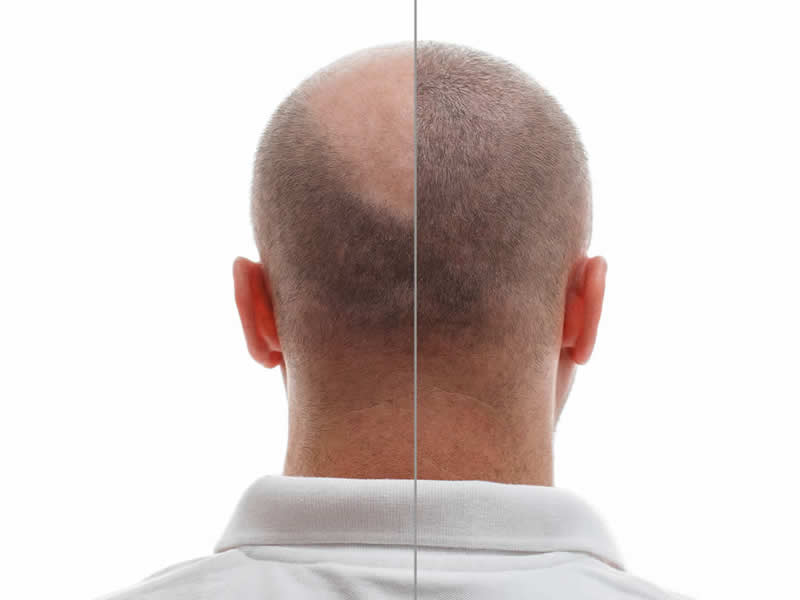
Start by choosing the clinic carefully. Ask who will actually perform the surgical steps, review comparable before/after cases, discuss your donor-area capacity, expected graft count, hairline design, and whether your hair loss is stable. A good consultation should consider not just filling the current bald areas but how your hair loss may progress over the next several years.
Tell the medical team about all medications, supplements, allergies, previous operations, and medical conditions. Don't stop prescription medicines on your own. In particular, medications that affect bleeding may require special planning with the prescribing doctor.
If you smoke or use nicotine, ask the surgeon about stopping before surgery. Nicotine reduces blood flow and can interfere with wound healing.
About 1 week before
Your clinic may ask you to avoid certain medicines or supplements that can increase bleeding—for example aspirin/NSAIDs or some herbal supplements—but only stop them if your surgeon or prescribing clinician says it is safe.
Avoid heavy alcohol consumption and follow the clinic's instructions about alcohol before surgery.
Don't cut or shave your hair unless the clinic specifically asks you to. Some clinics prefer to do the shaving themselves depending on the technique.
The day before
Wash your hair thoroughly and avoid applying styling products, oils, gels, sprays, or concealers afterward.
Get a good night's sleep, stay normally hydrated, and avoid alcohol. Prepare comfortable clothing for the next day—ideally a button-up or zip-up shirt so you don't need to pull clothing over the newly transplanted grafts.
Also arrange transportation if your clinic recommends it, particularly if you'll receive sedating medication.
On the morning of surgery
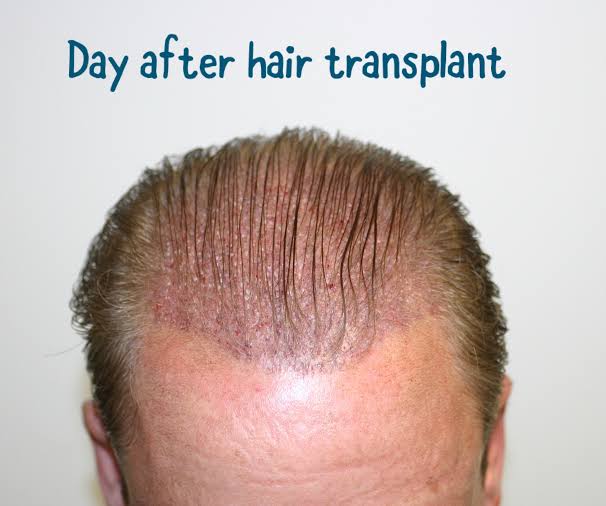
Follow the clinic's instructions about eating. Many hair-transplant procedures use local anesthesia and clinics may actually recommend eating a normal breakfast, but this can differ depending on sedation.
Avoid putting anything on your scalp. Bring your identification, prescribed medications/instructions, and comfortable clothing.
Be cautious with coffee, energy drinks, and other caffeine immediately before surgery; some clinics restrict them because they can increase heart rate or blood pressure.
One particularly important step
Before committing to surgery, get a clear answer to:
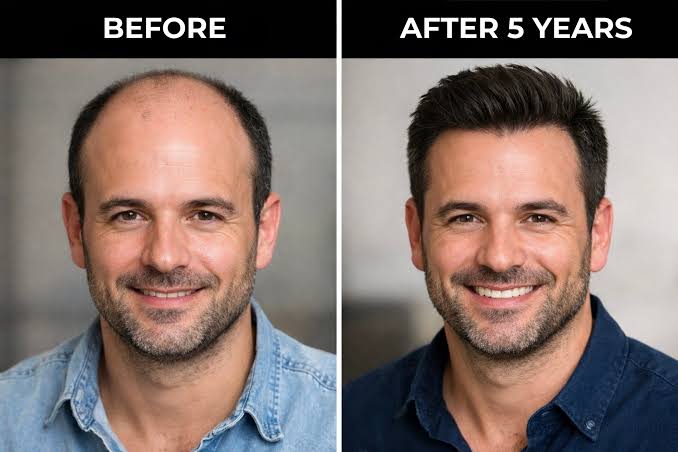
"What will my hair look like if my existing hair continues to thin over the next 5–10 years?"
A transplant redistributes donor hair; it doesn't necessarily stop ongoing androgenetic hair loss. Your surgeon should therefore discuss long-term donor management and hair-loss stabilization, including whether treatments such as minoxidil or finasteride are appropriate for you. These medications have benefits, contraindications, and potential side effects, so they should be discussed with a qualified clinician rather than started solely because you're having a transplant.
If you'd like, I can also give you a 30-day → 7-day → 1-day → operation-day checklist, including what to eat, what to avoid, questions to ask the clinic, and what you should have ready for the first week after surgery.