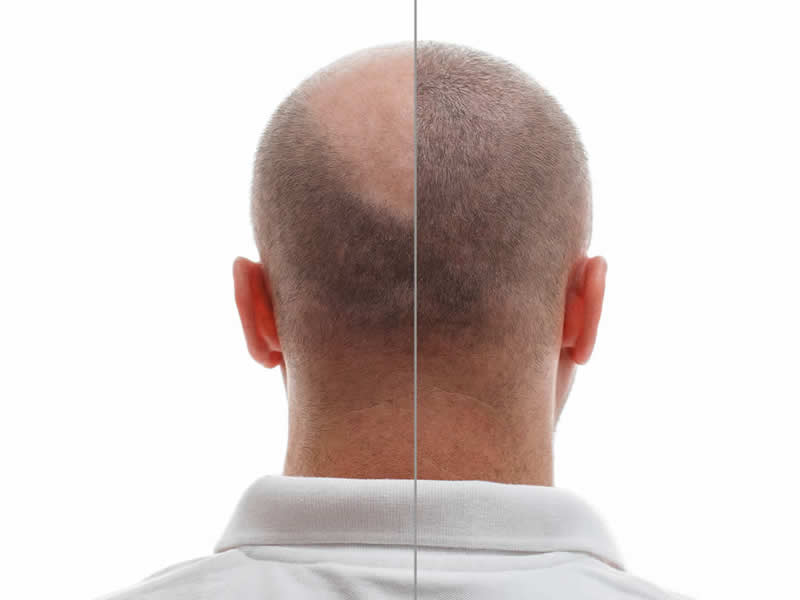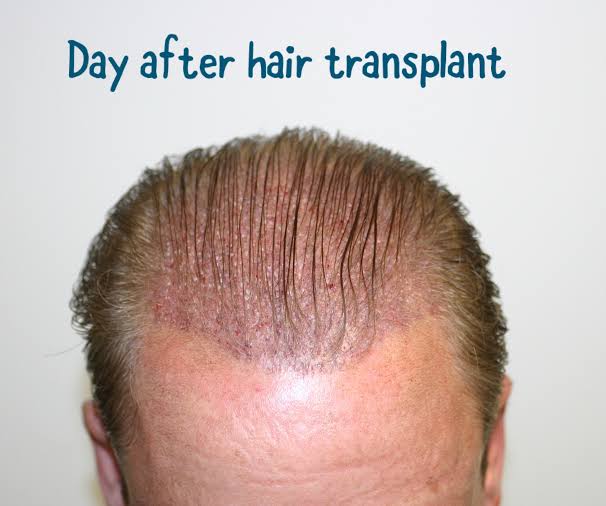
after the hair transplant
After a hair transplant, the first 7–10 days are the most important for protecting the grafts. Your clinic's instructions should override general advice because protocols differ.
First 24–48 hours
Treat the transplanted area very carefully. Don't touch, rub, scratch, or pick at the grafts. Avoid anything that could hit or put pressure on them.
Sleep on your back with your head elevated about 30–45°, especially for the first few nights. This can help with swelling. A travel/neck pillow can help prevent you from rolling onto the recipient area.
Take only the medications your surgeon prescribed. You may receive pain medication and, depending on the clinic, other medications.
Washing
Your clinic will tell you when to start washing—commonly around 24–72 hours afterward.
Initially, don't put the transplanted area directly under a strong shower stream. Clinics commonly recommend gently applying shampoo/foam and rinsing without rubbing.
Small crusts are expected. Don't pick them off. Clinics often introduce progressively more normal washing over the following week so crusts can come away naturally.
First week
Avoid:
- Gym workouts, running and heavy lifting
- Swimming, sauna and steam rooms
- Direct strong sunlight on your scalp
- Tight hats unless your surgeon approves one
- Hair products such as gel, wax or hairspray
- Smoking/nicotine and excessive alcohol, particularly while healing
- Scratching your scalp even when it becomes itchy
Swelling around the forehead—and occasionally around the eyes—can occur around days 2–4 and usually improves afterward.
Around days 7–14
The grafts become progressively more secure, and your clinic will usually tell you when you can return to normal washing and gently remove remaining crusts.
Don't aggressively remove crusts simply because you've reached a particular day; follow the clinic's washing protocol.
Weeks 2–8: don't panic about shedding
One thing that surprises many people is that the transplanted hairs can fall out several weeks after surgery.
That's usually expected. The follicles remain underneath the skin and enter a resting phase before producing new hairs.
You can also temporarily lose some nearby native hairs ("shock loss").